Where Wilderness Moves at Its Own Rhythm
Where Wilderness Moves at Its Own Rhythm
From the quiet morning of Arusha, your journey unfolds gently as you travel toward the timeless landscapes of Tarangire National Park. Here, ancient baobabs stand like sculptures of time, and vast herds of elephants move with quiet authority across the land. Your first game drive is unhurried—an introduction not just to wildlife, but to the rhythm of the wild itself.
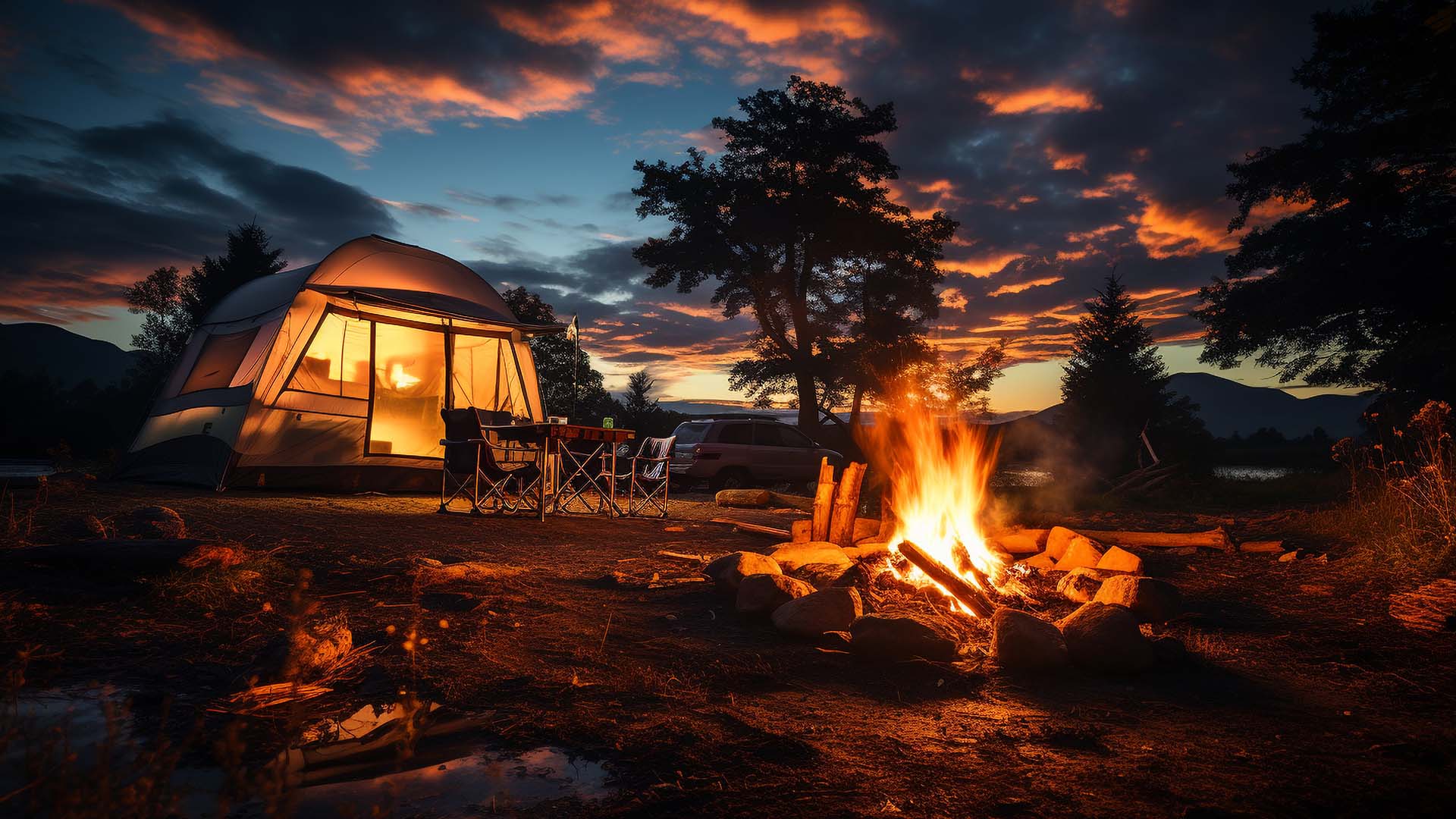
As the golden light softens, you arrive at Nyikani Camps Tarangire, where canvas, comfort, and wilderness exist in perfect harmony. The night is alive with distant calls and the hush of nature uninterrupted.
Morning arrives slowly in Tarangire. With the rising sun, you return to the wild for a gentle game drive, following animal tracks and moments rather than schedules. There is no rush—only space to observe, to feel, to connect.
By late afternoon, you journey toward the highlands of Karatu, leaving behind the dry savannah for rolling green landscapes. You arrive at Bougainvillea Safari Lodge, a place of gardens, warmth, and quiet charm—perfect for rest before the crater chapter of your journey.
Before dawn, you make your way to the remarkable Ngorongoro Crater—a world contained, yet teeming with life. Descending into the crater feels like entering another realm. Wildlife is abundant and ever-present: lions resting in the grass, elephants moving through the mist, and, with luck, the rare black rhino appearing like a fleeting shadow.
Your game drive here is rich and immersive, with a picnic lunch enjoyed within this extraordinary setting. By afternoon, you ascend the crater walls and continue toward the southern plains, where the Serengeti begins to reveal itself on the horizon. You settle into your Serengeti lodge as the sky turns copper and gold.
A full day in the Serengeti—where the horizon stretches endlessly and the land feels both ancient and alive. Your morning and afternoon game drives reveal the ecosystem at its most expansive: herds of wildebeest and zebra moving in formation, cheetahs scanning the open grasslands, and hippos gathered in shaded pools.
There is a particular kind of silence here—not empty, but full. Full of space, of possibility, of the sense that you are witnessing something that has unfolded for millennia. Return to your lodge as the sun sets, carrying the weight of a landscape that stays with you long after you leave.
Another dawn, another layer of the Serengeti revealed. Today you venture deeper into different regions of the park, following the movement of wildlife and the guidance of your expert tracker. Whether it's a pride of lions at rest, a leopard draped along a riverine tree, or a tower of giraffes moving like slow poetry across the plains, each sighting feels personal and unscripted.
In the late afternoon, you begin the journey back toward the Ngorongoro highlands, retracing your path with new eyes. The landscape that once felt unfamiliar now feels like a story you've become part of.
Your final morning begins with the soft light of the highlands. Over a leisurely breakfast, there is time to reflect—not on what you saw, but on what you felt. The slowing of time, the deepening of attention, the way the landscape reshaped something inside you.
As you journey back to Arusha, the road carries you through villages and farmland, a gentle re-entry into the rhythms of daily life. You arrive not just with photographs, but with a quieter kind of knowing—that the wild has a way of teaching those who are willing to listen.
June to October (dry season) offers prime wildlife viewing, especially in the Serengeti. January–March is calving season in the southern Serengeti—a spectacular time for predators. Green season (November–May) offers lush landscapes and fewer crowds.
Neutral-coloured clothing, comfortable walking shoes, sunscreen, a wide-brim hat, camera with zoom lens, binoculars, and a warm jacket for crisp crater mornings and Serengeti evenings.
Absolutely. Children aged 6 and above are welcome. We can adjust pacing, meal times, and activities to suit younger travellers without compromising the experience for adults.
The movement of the herds depends on the time of year. From June to July, the herds are typically in the western corridor. From August to October, they're in the northern Serengeti. We'll advise you on the best timing based on your travel dates.
We use carefully selected mid-range to premium lodges and tented camps that balance comfort with an authentic sense of place. All accommodations have en-suite facilities, comfortable beds, and wonderful views.
The pacing was extraordinary. We never felt rushed, never felt herded. The Serengeti days were the highlight—our guide knew exactly where to be and when to simply wait.
Descending into Ngorongoro at dawn felt like stepping into another world. We saw rhinos within the first hour. The whole journey was beautifully orchestrated.
Our children (8 and 11) were completely captivated. The guides were patient, engaging, and made every drive feel like a discovery rather than a tour.
Extend your journey with a beach retreat in Zanzibar, add a chimpanzee trek in Gombe, or explore the Ngorongoro highlands on foot. We practice sustainable tourism and support local conservation initiatives across every destination we visit.
Starting from
Tell us your dates and travel style, and we'll help you build this journey — or a route made just for you — around it.

