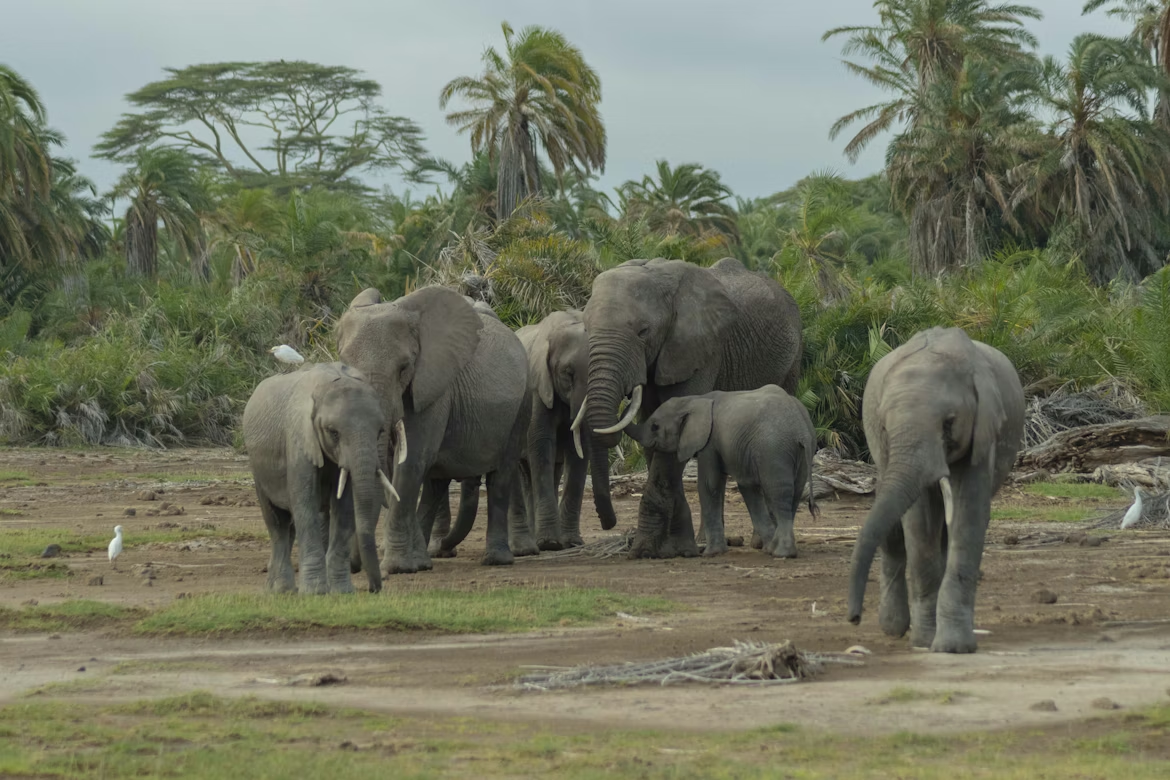
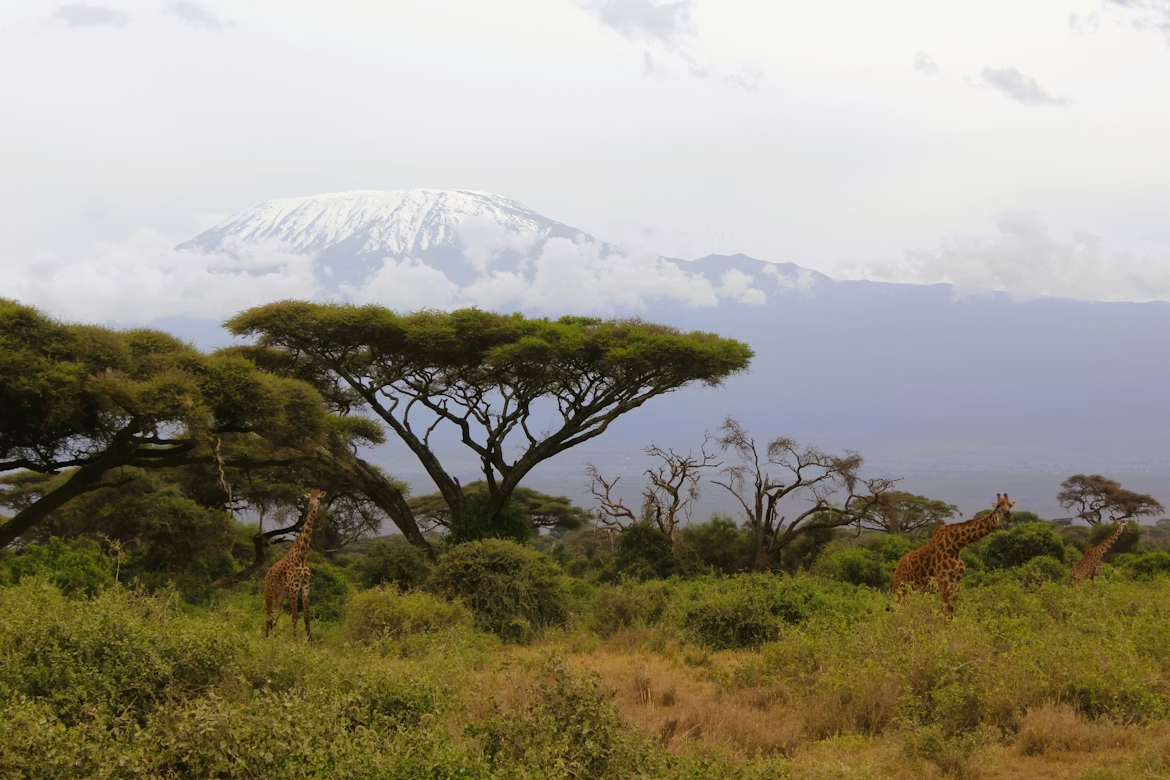
Iconic elephant herds framed by the snow-capped summit of Mount Kilimanjaro — Africa's most photographed safari landscape.
.jpg)
Click any image to open the lightbox — use arrows or keyboard to navigate
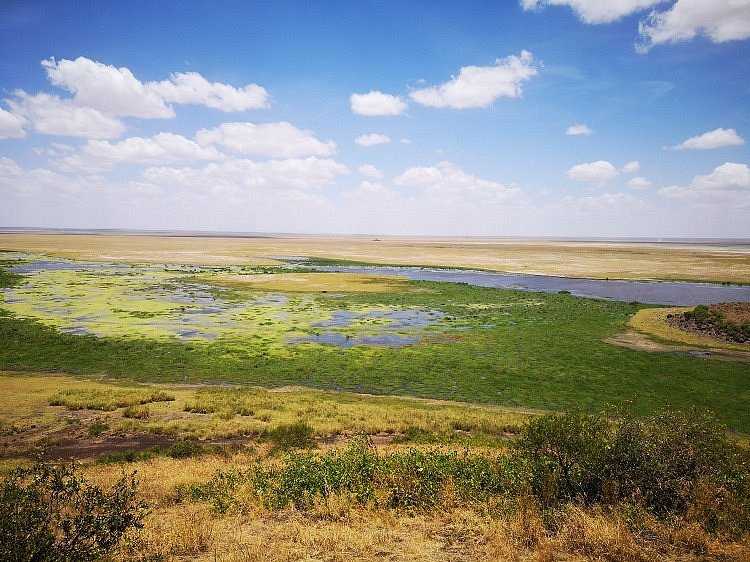
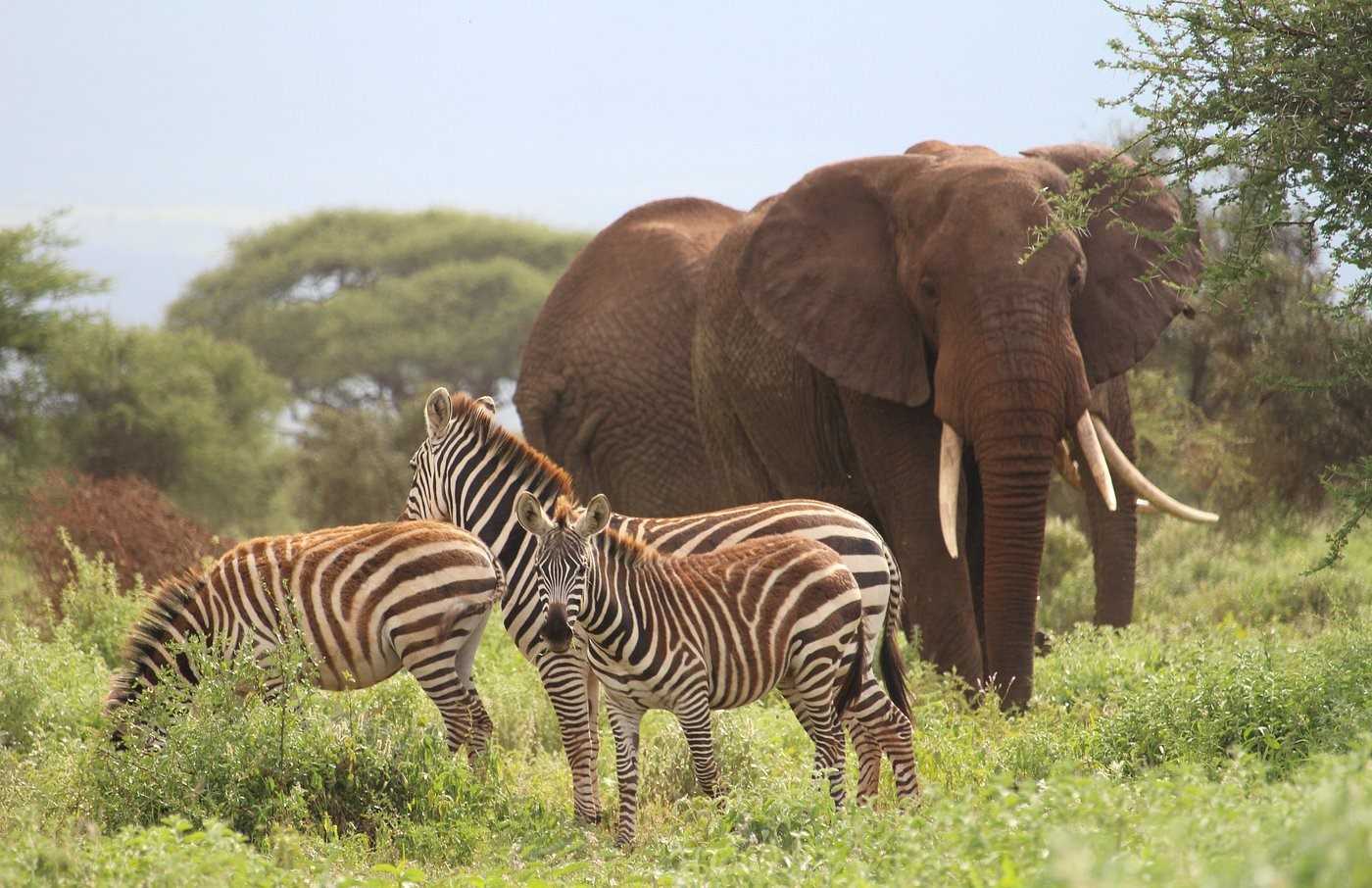
Amboseli National Park is one of Kenya's most iconic wildlife destinations, renowned for its large herds of elephants set against the majestic backdrop of Mount Kilimanjaro. Located in southern Kenya near the Tanzania border, the park is part of a larger ecosystem that supports diverse wildlife, seasonal wetlands, and sweeping savannah landscapes. It is especially famous for its close-up elephant encounters and its dramatic scenery, making it a favorite for photographers and safari lovers alike.
Home to some of Africa's largest elephant populations, Amboseli offers unrivaled sightings of these gentle giants. The park's open plains and permanent swamps create a stage where wildlife and landscape converge — elephants crossing dusty plains with Kilimanjaro rising behind them is one of the most photographed scenes on earth.
Neutral-coloured clothing, a warm layer for early morning drives, sunscreen, hat, binoculars, and a good camera with a zoom lens. Dust can be significant — bring a lens cloth and a bandana.
The best light for Kilimanjaro-backlit elephant shots is early morning. A 200–400mm lens is ideal. The dust in the air can create dramatic golden-hour effects — embrace it.
June–October offers the clearest Kilimanjaro views and peak wildlife concentrations around drying water sources. January–February is another excellent dry window. Green season (March–May, November) brings fewer crowds and lush scenery.
By Road: 4–5 hours from Nairobi via Namanga Gate. By Air: Daily scheduled flights from Wilson Airport to Amboseli Airstrip (approx. 45 minutes). We arrange all transfers.
Few places on earth combine such accessible wildlife with such a dramatic natural backdrop. Amboseli's elephants — some of the most studied in Africa — moving across dust plains with Kilimanjaro's snow-capped summit rising behind them — is the image that defines East African safari.
June – October (Dry Season): Peak wildlife viewing, clearest Kilimanjaro views, animals gather at remaining water sources.
January – February (Short Dry): Another excellent window with good conditions and fewer visitors than peak season.
Let us craft an Amboseli experience that goes beyond the guidebook — private drives, cultural encounters, and Kilimanjaro at golden hour.

