

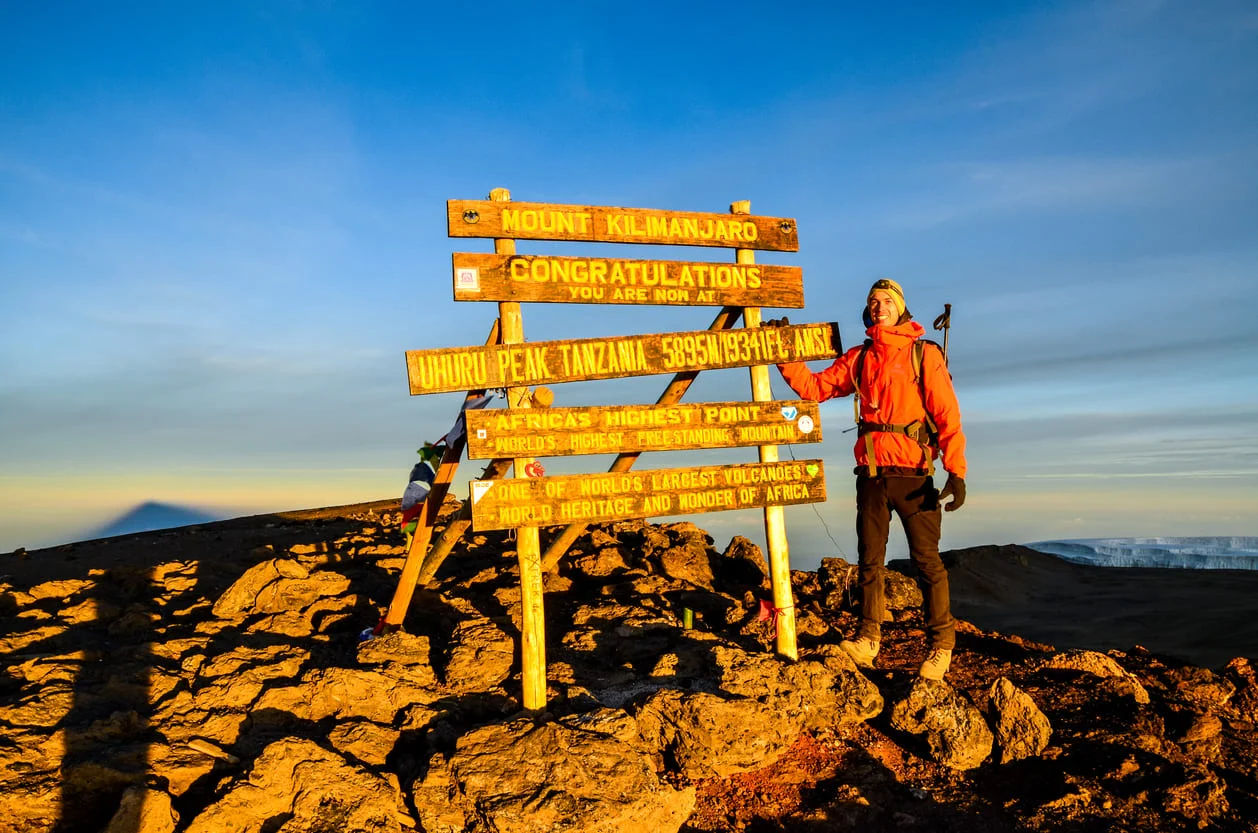
Uhuru Peak Sunrise
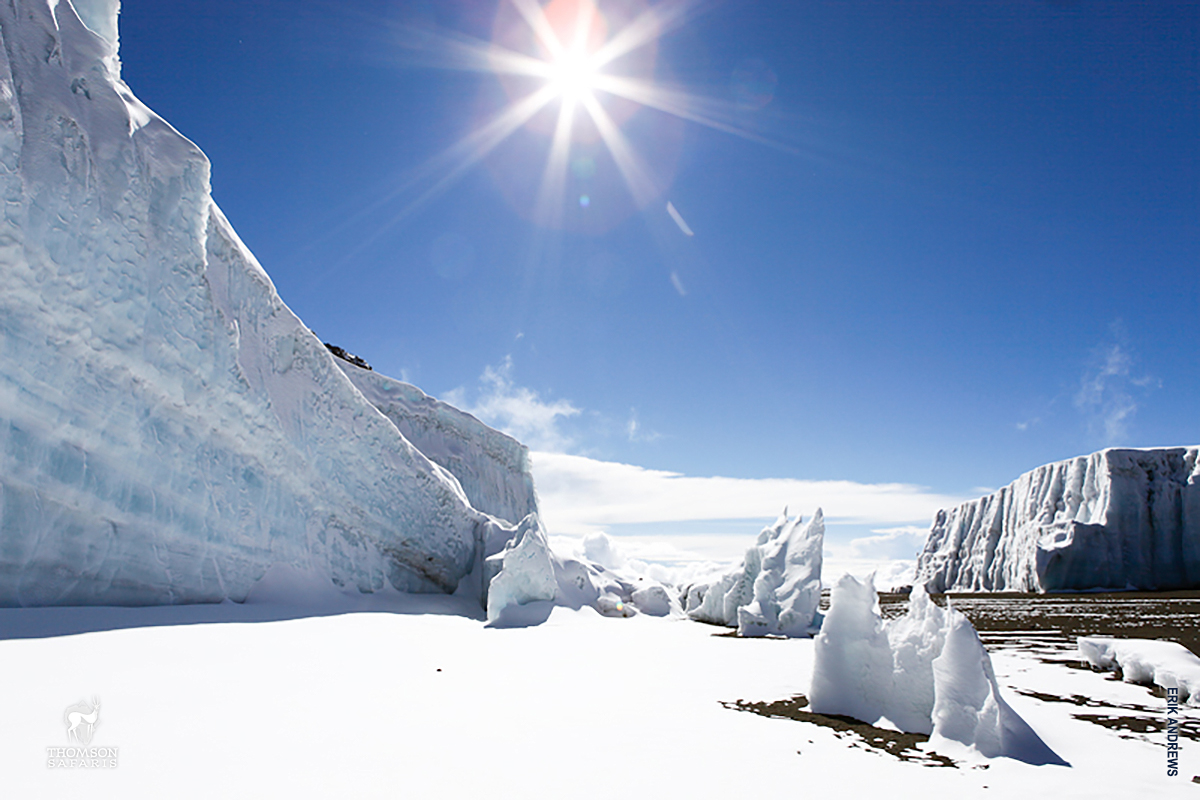
Glaciers at Summit
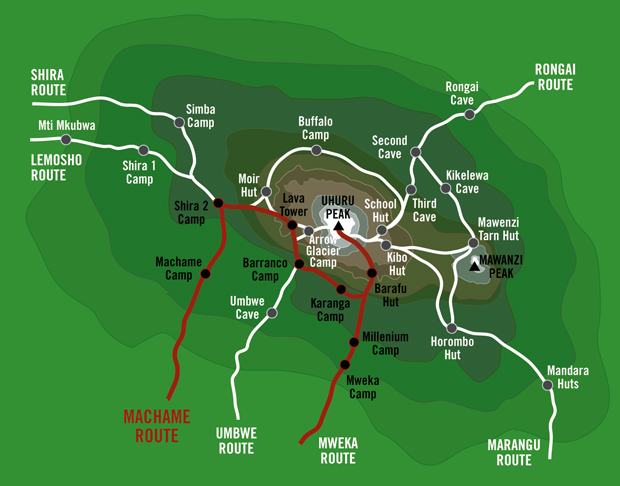
Machame Route Scenery
.jpg)
Barranco Wall Climb
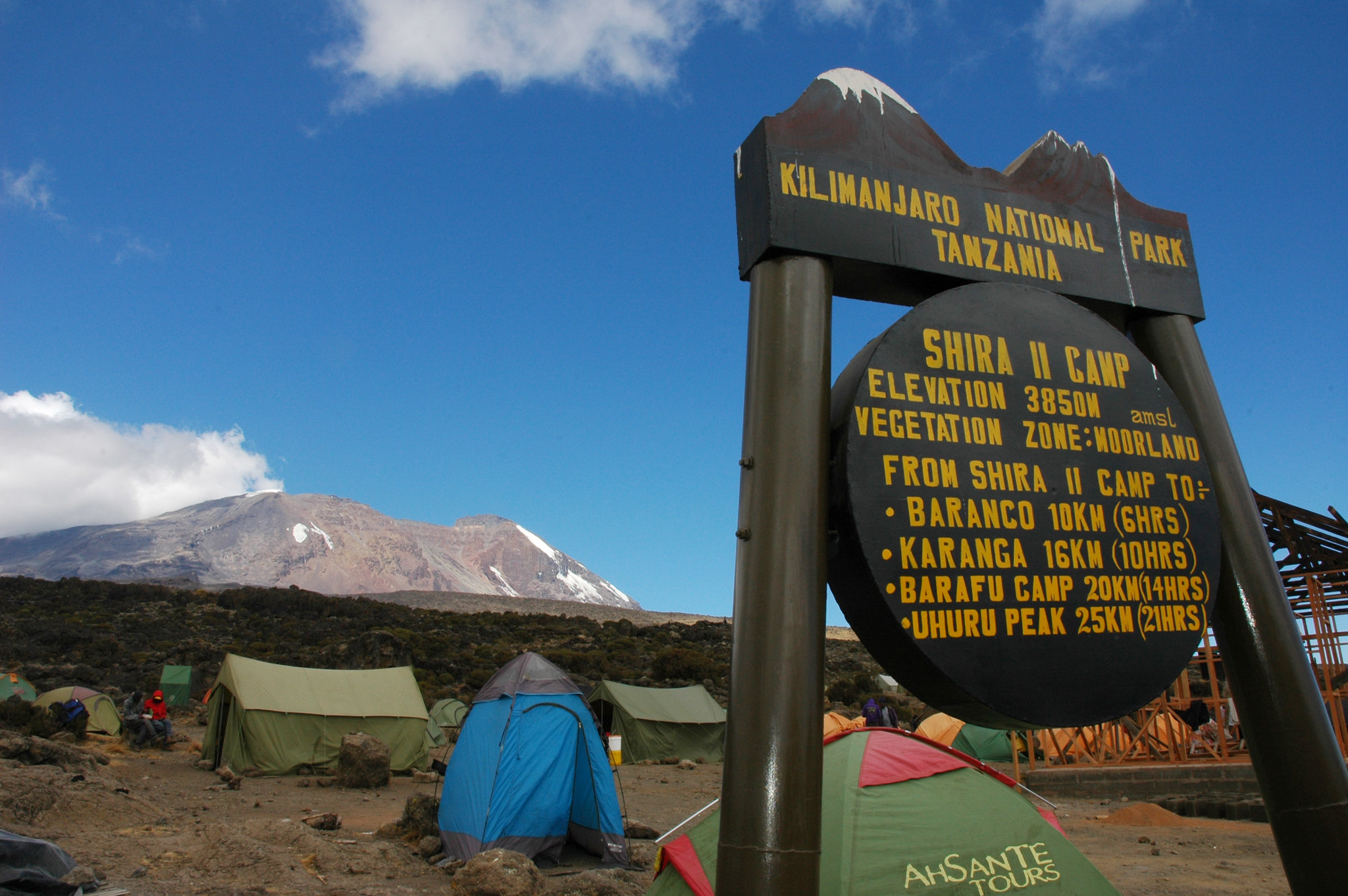
Camp on Shira Plateau
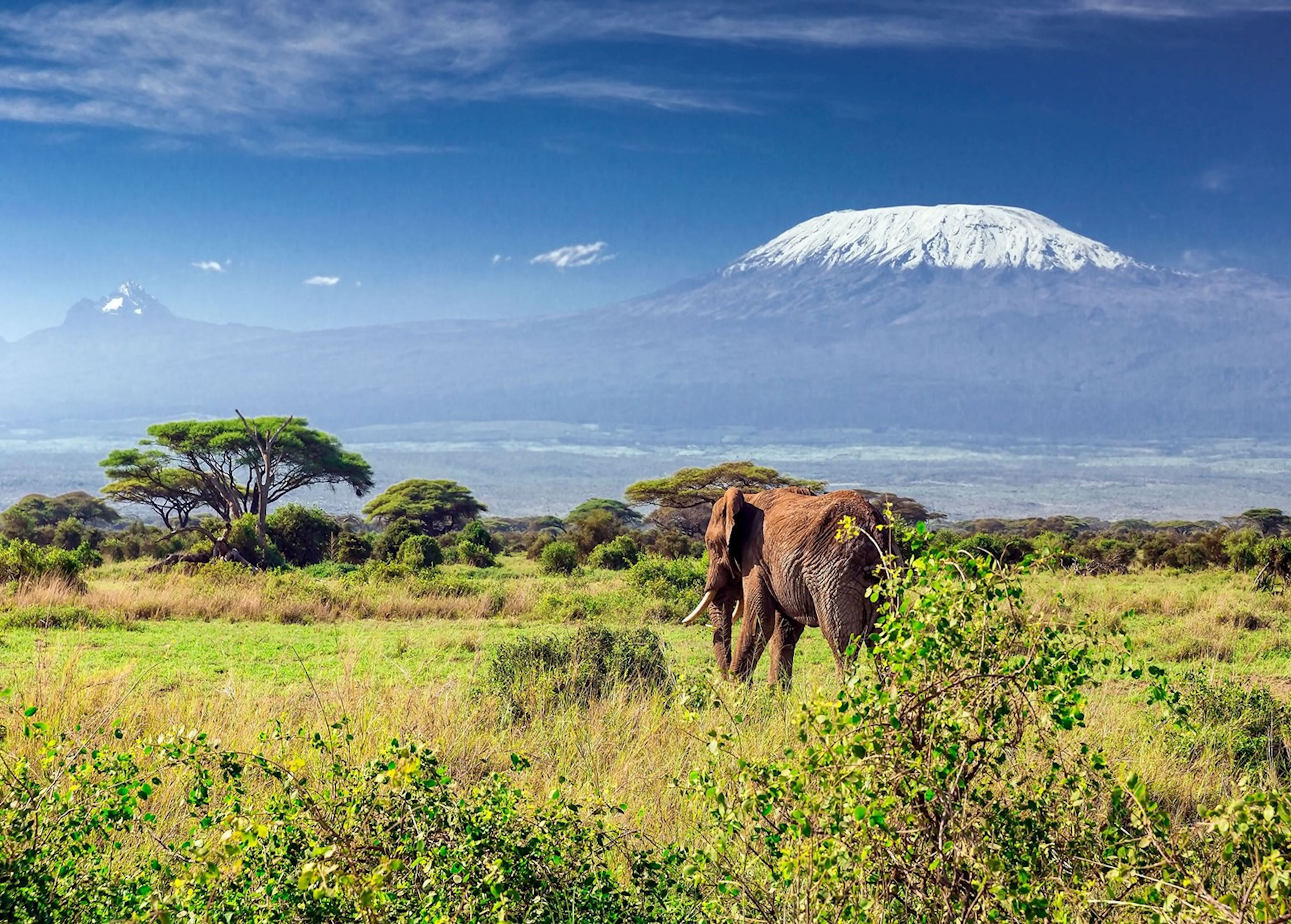
Mountain Support Team
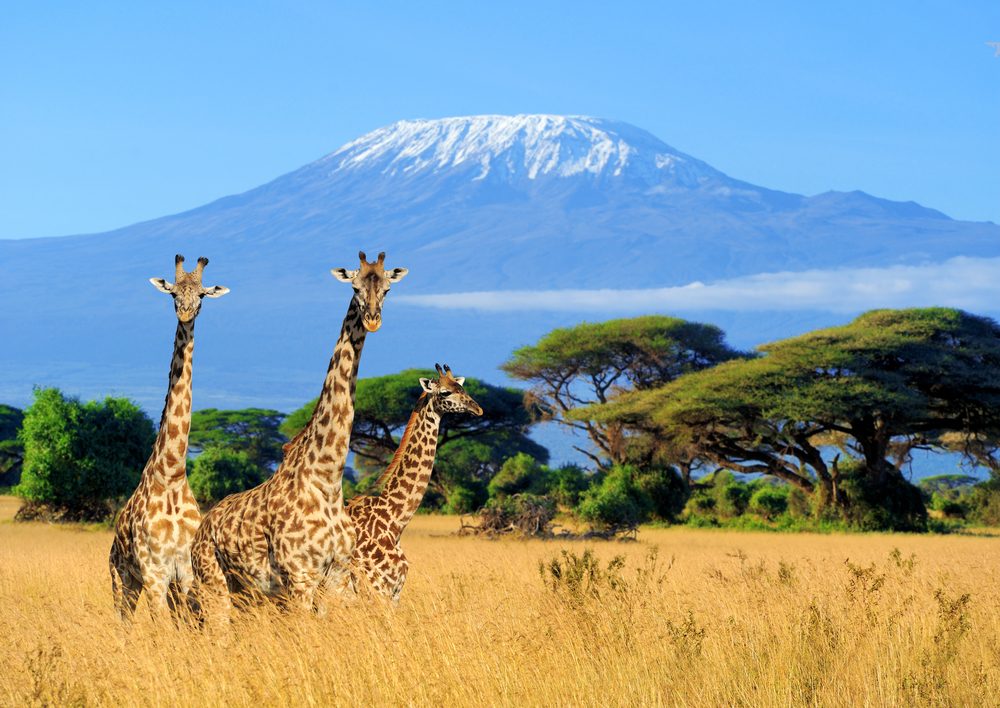
Mount Kilimanjaro National Park protects the legendary snow-capped peak that rises in solitary majesty above the Tanzanian savannah. A UNESCO World Heritage Site, it's a trekker's ultimate challenge and a journey through five distinct ecological zones — from tropical rainforest to arctic summit.
7 Routes to the Roof of Africa
From the popular Machame "Whiskey Route" to the remote Northern Circuit, each path offers unique scenery and challenge. With over 3,000 successful summits guided, we achieve a 95% success rate on the 8-day Lemosho route.
Kilimanjaro's Wonders
Uhuru Peak (5,895m)
The highest point in Africa, standing atop Kibo crater rim. Sunrise over the African continent is life-changing.
Five Vegetation Zones
From cultivated lower slopes, montane forest, heath & moorland, alpine desert, to arctic summit with ice fields.
Shrinking Glaciers
Kilimanjaro's iconic glaciers — Furtwängler, Rebmann, and Credner — are among the most dramatic geological features.
Wildlife Encounters
Blue monkeys, colobus monkeys, tree hyrax, and Abbott's duiker in the rainforest zone.
Trekking Routes & Packages
Marangu Route Huts
"Coca-Cola Route" — 5-6 days. Only route with hut dormitories.
Machame Route Camping
"Whiskey Route" — 6-7 days. Scenic, challenging, camping only.
Lemosho Route High Success
7-8 days. 95% summit success. Remote, pristine, excellent acclimatization.
Rongai Route Remote
6-7 days. Only northern approach, quieter, less crowded.
Northern Circuit Highest Success
9-10 days. Longest, most remote route with highest acclimatization.
Umbwe Route Steep
6-7 days. Steepest and most direct, for experienced trekkers.
Best Time to Climb
January – Mid March Excellent
Warmer temperatures, stable weather, fewer crowds.
Mid March – May Avoid
Heavy rain and snow at higher elevations. Not ideal.
July – October Peak Season
Dry, dusty trails, clear skies, high traffic.
November Avoid
Unpredictable precipitation, reduced visibility.
Essential Trekking Tips
Gear & Packing
Layered clothing, waterproof jacket, insulated down jacket, broken-in hiking boots.
Physical Training
Long hikes with elevation gain, stair climbing, cardio. No technical skills required.
Acclimatization "Pole Pole"
Walk slowly, drink 3-4L water daily, avoid alcohol. Choose longer routes.
Health & Insurance
Comprehensive travel insurance covering high-altitude trekking (up to 6,000m).
Budget & Tipping
Tipping guides, porters, cooks is customary — budget $200-300 per climber for a 7-day trek.
Marangu Route Huts
Mandara Hut (2,700m)
Horombo Hut (3,720m)
Kibo Hut (4,700m)
Dorm-style, warm meals, shared facilities.
Camping Routes
High-quality mountain tents, sleeping mats, full camping equipment. Private campsites with dining tents.