UNESCO World Heritage Site • Largest Volcanic Caldera • Big Five Safari • Maasai Heritage — all within one extraordinary landscape.
.jpg)
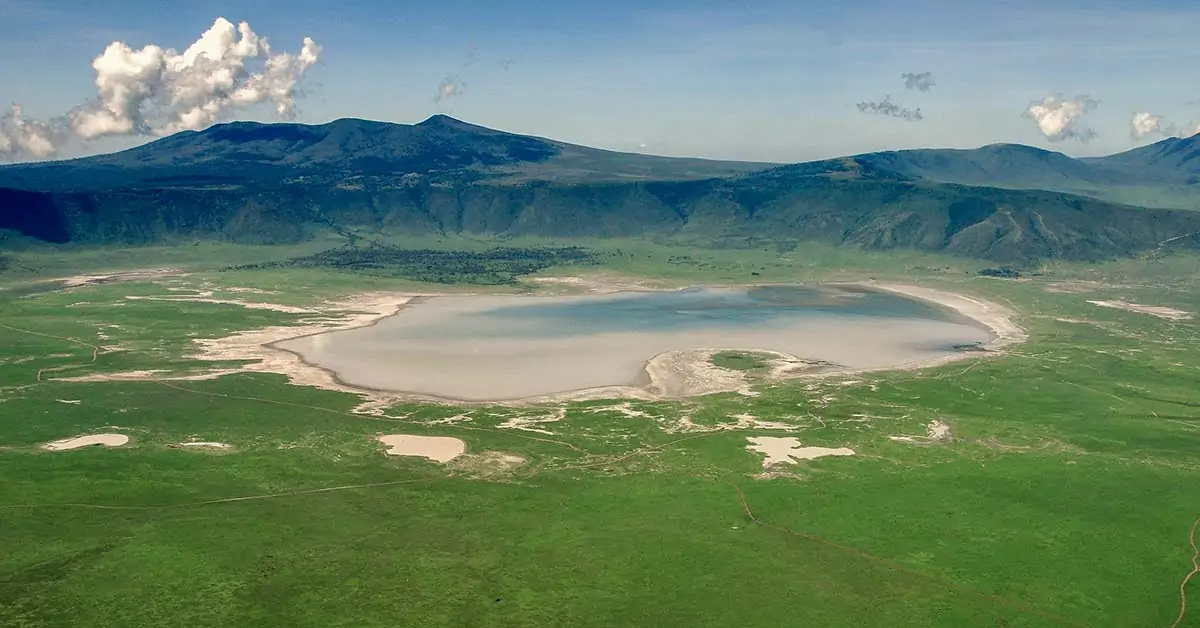
Nestled in the heart of northern Tanzania, the Ngorongoro Conservation Area is one of Africa's most spectacular travel destinations. Home to the awe-inspiring Ngorongoro Crater — the largest unbroken volcanic caldera on Earth — this UNESCO World Heritage Site offers a breathtaking mix of dramatic landscapes and unparalleled wildlife viewing.
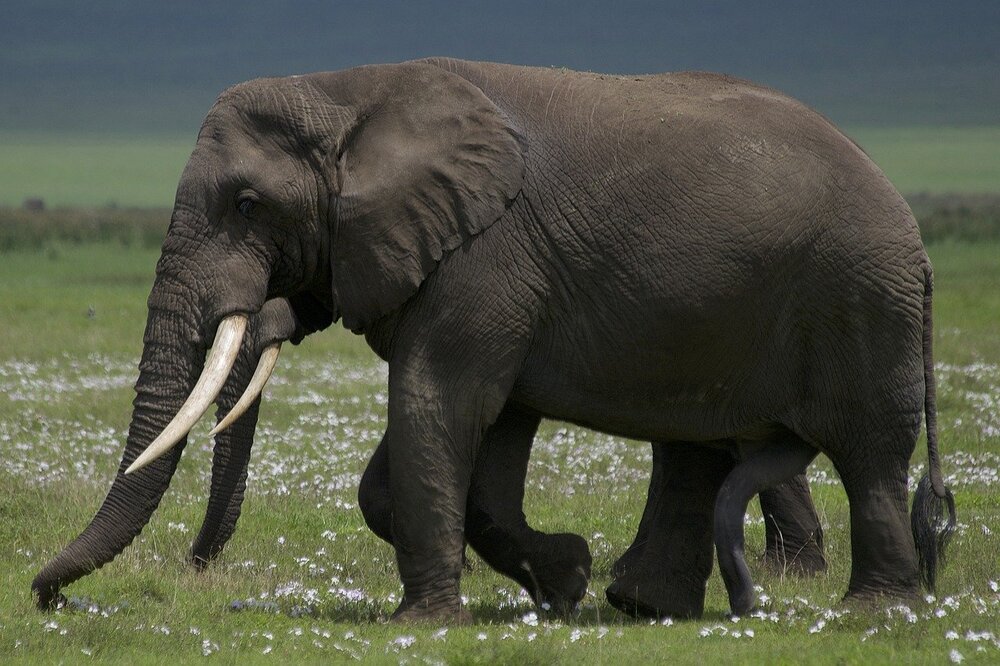
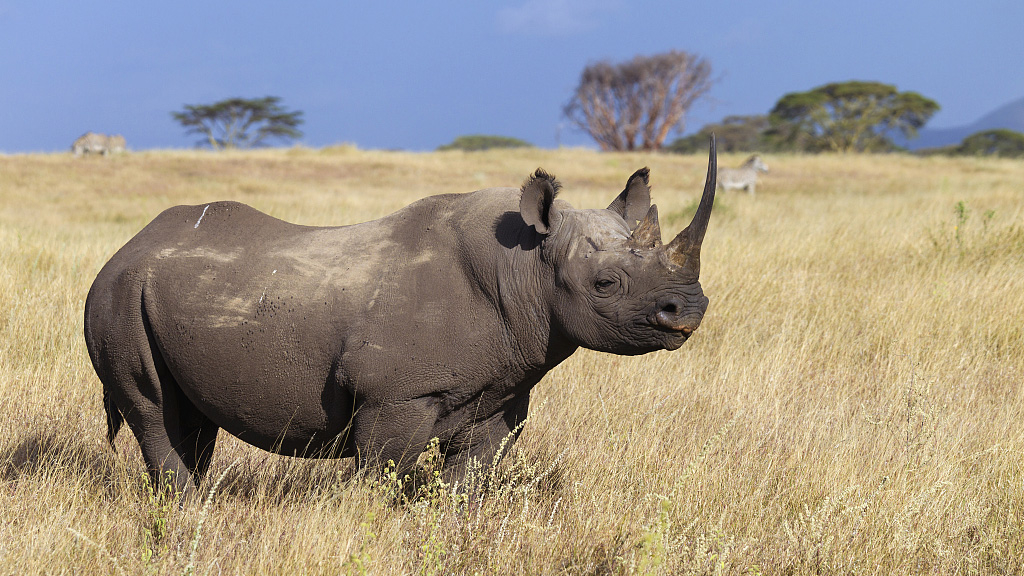
Geologically formed approximately 2.5 million years ago when a massive volcano collapsed, the crater covers almost 260 square kilometers with a diameter of 20km. It's home to over 25,000 animals including the Big Five: elephants, buffaloes, rhinos, lions and leopards.
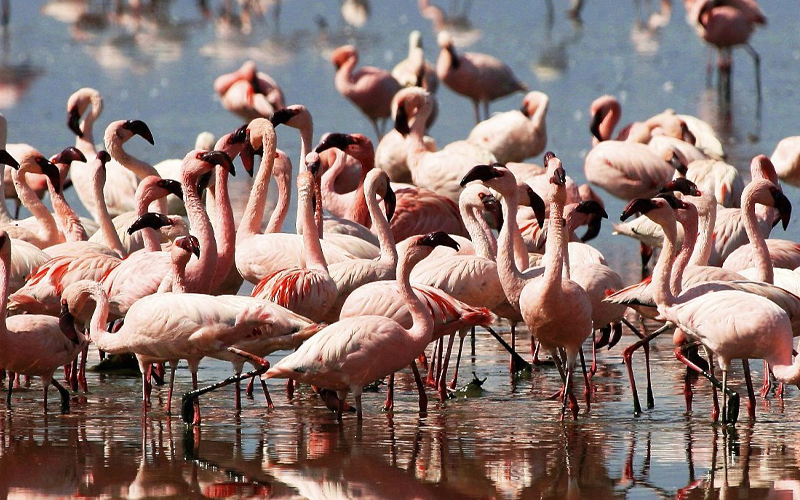
A breathtaking caldera with a deep soda lake covering 75% of its floor, home to thousands of flamingos. Perfect for walking safaris.
Shallow caldera featuring the beautiful Munge Waterfall and excellent grazing grounds for antelopes and elands.
The "Cradle of Mankind" — where the Leakeys discovered Zinjanthropus skull and Homo habilis fossils.
3.6 million-year-old hominid footprints preserved in volcanic ash — oldest evidence of bipedal walking.
Prime calving grounds for the Great Migration (Dec–April). Witness thousands of wildebeest births and predator action.
Descend into the Ngorongoro Crater for close encounters with the Big Five.
Guided hikes on crater rims, Empakaai, and through Northern Highland Forest.
Visit Olduvai Gorge, Laetoli, and Mumba Caves with expert guides.
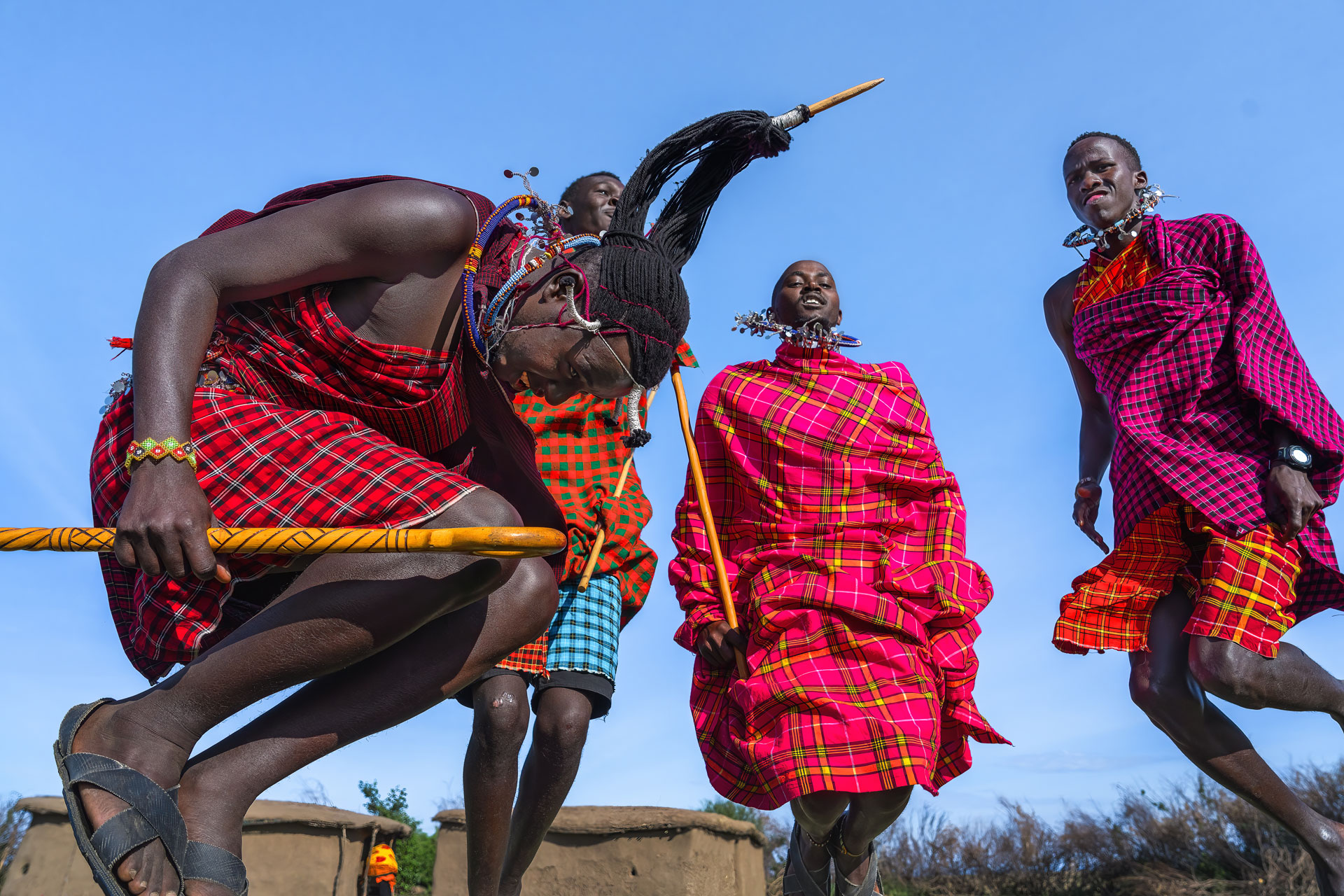
Meet the Maasai, Hadzabe, and Datoga tribes. Learn traditional pastoralist life.
Over 550 bird species! Flamingos at Lake Magadi, ostriches, kori bustards.
Float above Ndutu Plains and Olduvai Gorge at sunrise — breathtaking aerial views.
Crater rim sits at 2,200m (7,200ft). Mornings are chilly — bring warm jacket, fleece.
Bring telescopic lenses and binoculars for rhinos, lions, and rare birds.
Altitude can cause mild effects — drink plenty of water. Use insect repellent.
Ask permission before photographing villages, dress modestly, respect traditions.
Managed by NCAA — crater descent fees apply. Confirm with your tour operator.
Prime crater game viewing — animals gather around water sources, minimal rain, excellent visibility for black rhinos, lions, elephants.
Lush landscapes, birdwatching paradise, and spectacular calving season (Jan–March) in Ndutu Plains — thousands of wildebeest births.
From the largest volcanic caldera on Earth to the cradle of mankind, Ngorongoro offers unmatched wildlife density, stunning landscapes, and deep cultural heritage. Witness the Big Five, flamingo-filled lakes, and ancient hominid footprints — all in one incredible destination.

